Social Studies: Medieval India in Depth, from the Cholas to the Regional Powers
2. Administration, Land Revenue and Economy
The state ran on land revenue. Under the Delhi Sultans the iqta was a grant of the right to collect revenue in an area in return for service, and the iqtadar (muqti) kept an army from it. Under Akbar the revenue system matured as the zabt: the land was measured, and Todar Mal fixed the assessment from the average yield and prices of the previous ten years. The mansabdari system graded all officers by a numerical rank (mansab) that fixed their pay and the horsemen they maintained; it was a ranking for civil and military posts alike and, in principle, was not hereditary. In the south the Cholas had village assemblies, the sabha and ur, and the famous Uttaramerur inscriptions describe the election of their committees by lot. Trade grew with the ports, and the Mughal silver rupee became the standard coin.
- Right to collect revenue in an area
- Granted in return for service
- The iqtadar kept an army from it
- A numerical rank for every officer
- Fixed pay and horsemen maintained
- In principle not hereditary
The state ran on land revenue. Under the Delhi Sultans the iqta was a grant of the right to collect revenue in an area in return for service, and the iqtadar (muqti) kept an army from it.…
3. Religion and Society: Bhakti, Sufism and Syncretism
The bhakti movement taught devotion to a personal god over ritual and birth. In the south the Alvars (devoted to Vishnu) and the Nayanars (devoted to Shiva) sang in Tamil; in the north Kabir attacked both idol worship and ritual orthodoxy, Guru Nanak (1469–1539) taught one formless God and founded the Sikh tradition, and Mirabai sang of Krishna. Sufism, the mystical strand of Islam, came to India with orders called silsilas; the Chishti order, with Khwaja Moinuddin Chishti at Ajmer and later Nizamuddin Auliya in Delhi, preached love and service and took in people of all communities, and it used the local languages and music of the qawwali. Both movements used the languages of the people, rejected the exclusive claims of orthodoxy and left a body of devotional literature in regional languages, which is why they are treated together.
- Devotion to a personal god over ritual and birth
- Alvars, Nayanars, Kabir, Nanak, Mirabai
- The mystical strand of Islam
- Chishti order: Ajmer, then Delhi
The bhakti movement taught devotion to a personal god over ritual and birth. In the south the Alvars (devoted to Vishnu) and the Nayanars (devoted to Shiva) sang in Tamil; in the north…
4. Regional Powers, Sources and Teaching History
Regional powers rose as the Mughal centre weakened. The Marathas under Shivaji, crowned in 1674, built a state on forts, light cavalry and a revenue system; the Sikhs became a political force after Guru Gobind Singh founded the Khalsa in 1699; and Rajput, Bengal and Hyderabad rulers kept their own courts. The sources are of three kinds: inscriptions and coins (the Uttaramerur and Chola records), architecture (the Qutb Minar, the Brihadeeswara temple, Fatehpur Sikri), and chronicles and travellers’ accounts (Ibn Battuta in the fourteenth century, Abul Fazl’s Akbarnama and the Ain-i-Akbari). The pedagogy questions ask how to teach this: with sources and not lists of kings, with maps and time-lines for sequence, by asking why events happened and not only when, and by seeing the past in the language of its time, so that a child learns that a source has an author with a view.
- Inscriptions and coinsUttaramerur and Chola records
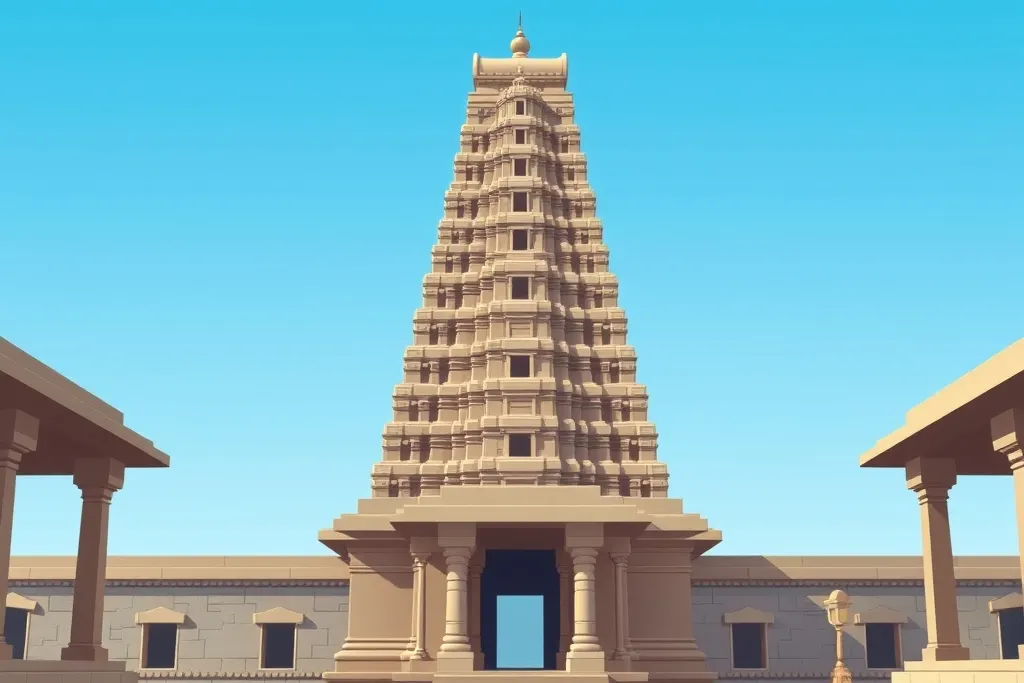
- ArchitectureQutb Minar, Brihadeeswara, Fatehpur Sikri
- Chronicles and travellers' accountsIbn Battuta; Akbarnama, Ain-i-Akbari
Regional powers rose as the Mughal centre weakened. The Marathas under Shivaji, crowned in 1674, built a state on forts, light cavalry and a revenue system; the Sikhs became a political…
5. Battles, Rulers and the Order of Events
Chronology questions give four events and ask for the order, so it helps to hold a short list of fixed dates. The decisive battles of medieval India mark the changes of power: the second battle of Tarain (1192) opened the way for Turkish rule in north India, the first battle of Panipat (1526) began Mughal rule, and the second battle of Panipat (1556) restored it after the Sur interlude. The Mughal line itself runs Babur, Humayun, Akbar, Jahangir, Shah Jahan, Aurangzeb, and the first six are the usual subject of order questions.
| Year | Battle | Result |
|---|---|---|
| 1192 | Second battle of Tarain | Muhammad of Ghor defeats Prithviraj Chauhan |
| 1526 | First battle of Panipat | Babur defeats Ibrahim Lodi; Mughal rule begins |
| 1539–40 | Chausa and Kannauj | Sher Shah defeats Humayun |
| 1556 | Second battle of Panipat | Akbar's forces defeat Hemu; Mughal power restored |
| 1565 | Talikota | Deccan sultanates defeat Vijayanagara |
Chronology questions give four events and ask for the order, so it helps to hold a short list of fixed dates. The decisive battles of medieval India mark the changes of power: the second…
Teaching Medieval History: Sources and Perspectives
The paper asks not only what happened but how a teacher should teach it. Medieval history is known from inscriptions, coins, monuments and chronicles, and the careful teacher helps children ask who wrote a source and why. A court chronicle praises the ruler, a traveller such as Ibn Battuta describes what struck an outsider, and an inscription records what a donor wanted remembered, so no single source gives the whole truth. Children should compare sources, build a timeline with their own illustrations, and visit a local monument or study the village's own past. Avoid a purely memory-based method that reduces the period to a list of rulers and battles; the paper's preferred answer connects events to the daily lives of farmers, artisans and traders.
The paper asks not only what happened but how a teacher should teach it. Medieval history is known from inscriptions, coins, monuments and chronicles, and the careful teacher helps children…
Society and Economy: What to Connect
For a descriptive answer on medieval society, connect politics to the economy. Land revenue paid in cash under later Mughal rulers, the growth of towns and markets, the spread of crafts such as textiles, and long-distance trade through ports on both coasts explain why rulers cared about the revenue system. The same period saw the bhakti saints and Sufi teachers reach ordinary people in local languages, which is why regional literature grew. Linking these three, revenue, trade and devotion, shows an examiner that you see medieval India as a connected society and not a list of dynasties.
For a descriptive answer on medieval society, connect politics to the economy. Land revenue paid in cash under later Mughal rulers, the growth of towns and markets, the spread of crafts…
Key takeaways
- The Delhi Sultanate began in 1206 and ended with Panipat in 1526; the Mughals ran 1526–1707 and Vijayanagara 1336–1565.
- The iqta was a revenue grant for service; Akbar’s zabt measured land and mansabdari ranked officers by numerical rank.
- Bhakti (Alvars, Nayanars, Kabir, Nanak, Mirabai) and Sufism (the Chishti order) used the people’s languages and rejected exclusive orthodoxy.
- Sources are inscriptions and coins, architecture, and chronicles and travellers’ accounts; teach history through sources and questions of why.
Practice questions (24)
Attempt each one before opening the answer. Every explanation names the tempting wrong option as well as the right one, because that is where marks are lost.
The Delhi Sultanate was founded in:
Show answer
Answer: A — 1206
Qutbuddin Aibak began the Sultanate in 1206. 1526 is Panipat and the Mughals, and 1336 is the founding of Vijayanagara.Which ruler is correctly paired with his act?
Show answer
Answer: A — Muhammad bin Tughlaq: shifted the capital to Daulatabad
Muhammad bin Tughlaq moved the capital to Daulatabad and issued token currency. Shah Jahan built the Taj Mahal, Guru Gobind Singh founded the Khalsa, and Vijayanagara was founded in 1336.In the Delhi Sultanate the iqta was:
Show answer
Answer: A — A grant of the right to collect revenue in an area in return for service
The holder, the iqtadar or muqti, collected revenue and maintained troops. A village assembly is the Chola sabha or ur.
Show the other 21 questions
The mansabdari system graded Mughal officers by:
Show answer
Answer: A — A numerical rank that fixed pay and the cavalry maintained
The mansab was a numerical rank for civil and military officers alike and fixed their pay and troops. It did not depend on caste or birth.Which saint taught devotion to one formless God and is regarded as the first Sikh Guru?
Show answer
Answer: A — Guru Nanak
Guru Nanak (1469–1539) founded the Sikh tradition. Kabir was a bhakti poet, Mirabai sang of Krishna, and Nizamuddin Auliya was a Chishti Sufi.Shivaji was crowned in:
Show answer
Answer: A — 1674
Shivaji’s coronation was in 1674. 1699 is the founding of the Khalsa and 1757 is Plassey.Which is the best way to teach a medieval history unit to Class VII children?
Show answer
Answer: A — Use sources such as inscriptions and travellers’ accounts, and ask why events happened
The aim in NCF 2005 is understanding through evidence and questions of cause. Memorising lists defeats it, and rulers’ chronicles are used with attention to their viewpoint, not avoided.The Battle of Talikota (1565) ended the power of:
Show answer
Answer: A — Vijayanagara
The combined Deccan sultanates defeated Vijayanagara at Talikota in 1565 and its capital was sacked. The Cholas declined much earlier and the Lodis fell at Panipat in 1526.The Brihadeeswara temple at Thanjavur was built by the Chola king:
Show answer
Answer: C — Rajaraja I
Rajaraja I built it, completed about 1010. Rajendra I is the tempting answer as his son, who built Gangaikondacholapuram.Who founded the Vijayanagara Empire in 1336?
Show answer
Answer: D — Harihara and Bukka
Harihara and Bukka founded it. Krishnadevaraya is the tempting name as its most famous ruler, but he reigned two centuries later.Which ruler won the First Battle of Panipat in 1526?
Show answer
Answer: A — Babur
Babur defeated Ibrahim Lodi in 1526. Akbar is tempting because of the Second Battle of Panipat in 1556, which he won as a boy-king through Bairam Khan.The famous Qutub Minar in Delhi was begun by:
Show answer
Answer: B — Qutbuddin Aibak
Aibak began it and Iltutmish completed it. Shah Jahan is tempting as the great Mughal builder, but he came later.Which Sufi saint is associated with the dargah at Ajmer?
Show answer
Answer: C — Khwaja Moinuddin Chishti
Moinuddin Chishti is buried at Ajmer. Nizamuddin Auliya is the tempting name for the Delhi dargah.Alauddin Khalji is known for:
Show answer
Answer: D — Market control to fix prices of goods
Alauddin fixed prices and controlled markets to support a large army. The token currency is the tempting wrong answer, which was Muhammad bin Tughlaq's experiment.Muhammad bin Tughlaq shifted his capital from Delhi to:
Show answer
Answer: A — Daulatabad
He moved it to Daulatabad in the Deccan in 1327. Fatehpur Sikri is the tempting capital of Akbar.Sher Shah Suri introduced the silver coin known as:
Show answer
Answer: B — Rupiya
Sher Shah's silver rupiya became the model for the later rupee. Tanka is the tempting Sultanate silver coin that came earlier.The Chola village assemblies are known from the inscriptions at:
Show answer
Answer: C — Uttaramerur
The Uttaramerur inscriptions describe the election of village committee members. Hampi is tempting as a south Indian site, but it is Vijayanagara.Kabir's teachings are collected in the:
Show answer
Answer: D — Bijak
The Bijak holds Kabir's verses. Ramcharitmanas is Tulsidas's work, the tempting bhakti text.Todar Mal is associated with:
Show answer
Answer: A — Land revenue assessment under Akbar
Todar Mal developed the zabt revenue system. Religious reform is the tempting answer as Akbar's other major initiative.The Battle of Haldighati in 1576 was fought between Akbar's forces and:
Show answer
Answer: B — Maharana Pratap
Pratap of Mewar fought Man Singh's Mughal force there. Rana Sanga is tempting as an earlier Mewar ruler, who fought Babur at Khanwa in 1527.The mansabdari system graded officers by:
Show answer
Answer: C — Zat and sawar ranks
Zat meant personal rank and sawar the number of horsemen to maintain. Caste is the tempting but wrong basis.Which Mughal emperor is remembered for re-imposing the jizya in 1679?
Show answer
Answer: D — Aurangzeb
Aurangzeb re-imposed it; Akbar had abolished it in 1564. Shah Jahan is the tempting later emperor, but he did not change it.The Bhakti saint Mirabai was a devotee of:
Show answer
Answer: A — Krishna
Mirabai composed songs to Krishna. Rama is tempting since Tulsidas and Kabir are linked with Rama bhakti.A teacher wants to help Class VII understand the Delhi Sultanate's administration. The best activity is:
Show answer
Answer: B — Role-playing the roles of Sultan, iqtadar and peasant and discussing their duties
Roles show how power and revenue moved. Memorising the list is tempting as the usual exam content, but it lacks understanding of the system.